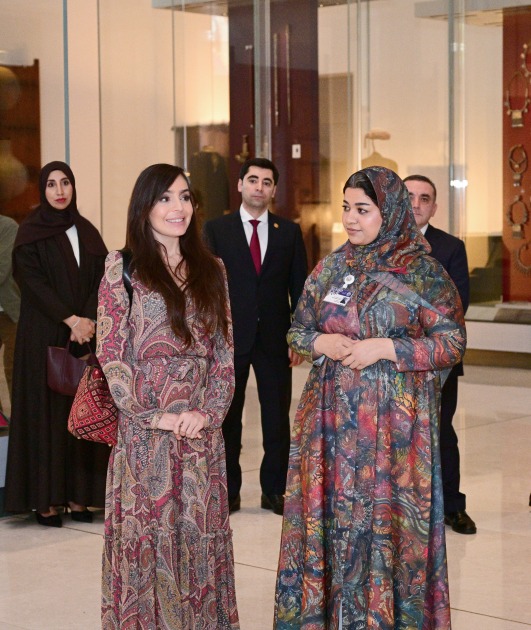
Vice-President of the Heydar Aliyev Foundation Leyla Aliyeva visited the National Museum of Oman and the Mutrah Souq in Muscat, the capital of the Sultanate of Oman.
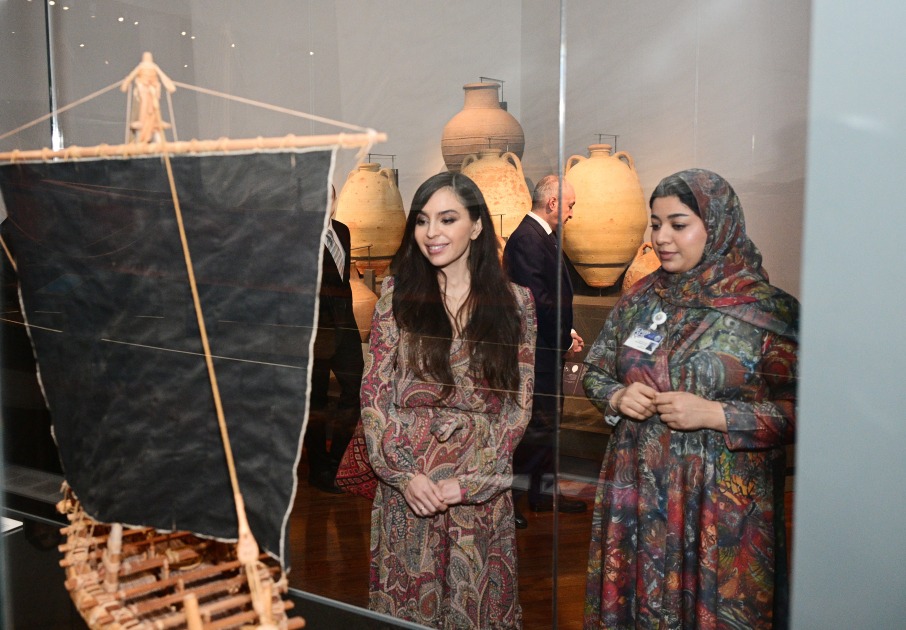
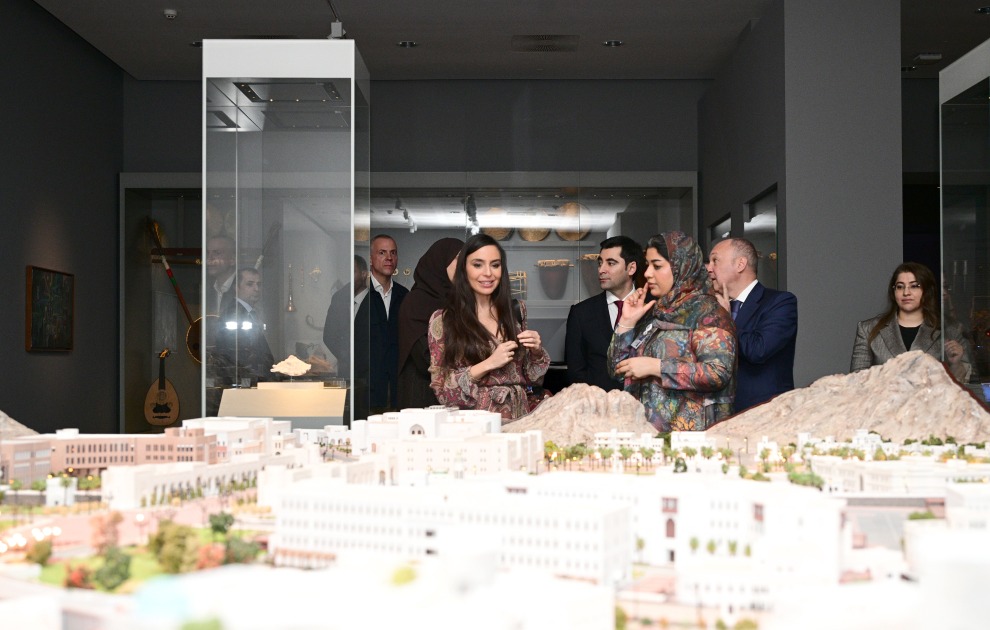
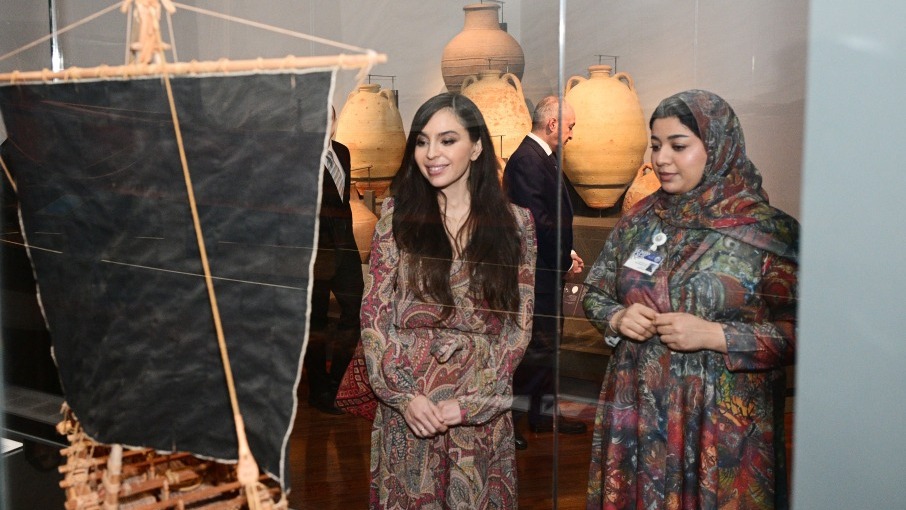
Leyla Aliyeva first toured the National Museum of Oman. During the visit, she explored its various sections, ознакомилась with the exhibits on display, and received detailed information about their historical background.
The museum is one of the principal centers reflecting Oman’s history and cultural heritage. Officially opened in 2016, it features rich collections in archaeology, maritime history, arms and armor, ethnography, Islamic culture, and other fields. The museum houses 14 permanent galleries, each covering different aspects of Oman’s cultural heritage, as well as additional spaces designated for temporary exhibitions.
With more than 7,000 preserved artifacts, the museum also offers digital immersive experience facilities, a cinema, and discovery areas for children. It is the first institution in the Middle East to introduce Arabic Braille for visitors with visual impairments.
Combining national traditions with modern architectural style, the National Museum of Oman serves as an important educational platform for both local residents and international visitors.
Following the tour, Leyla Aliyeva was presented with a commemorative gift, and a souvenir photograph was taken.
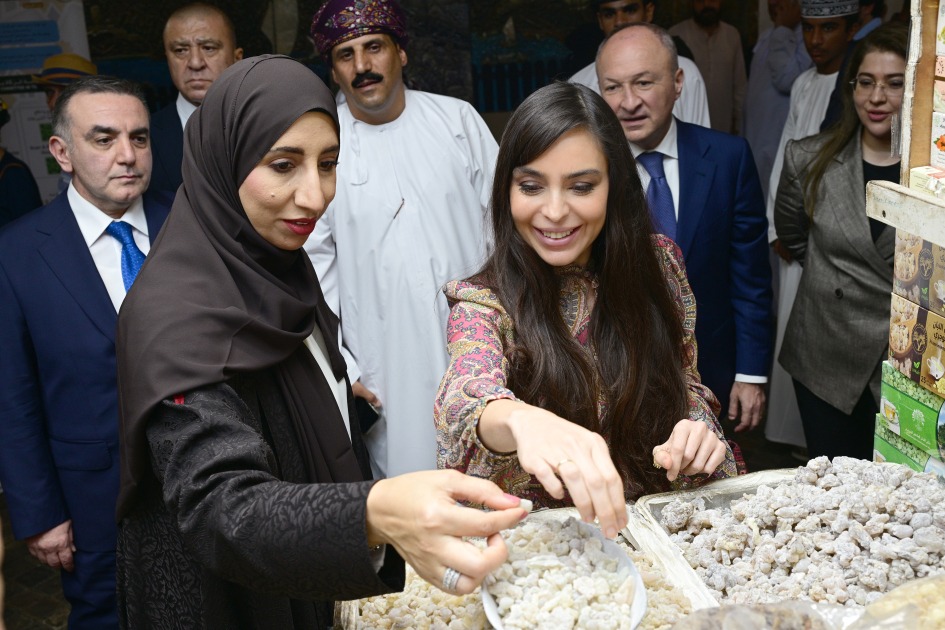
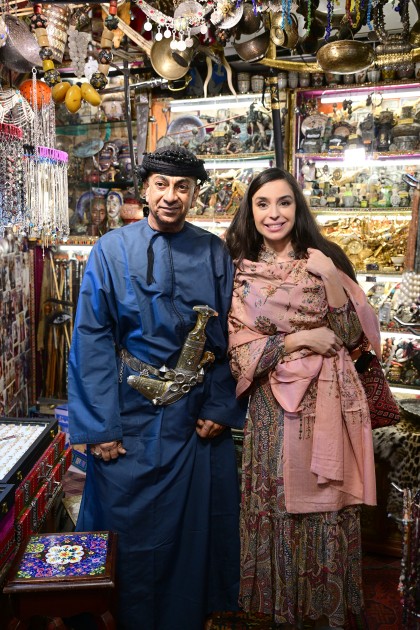
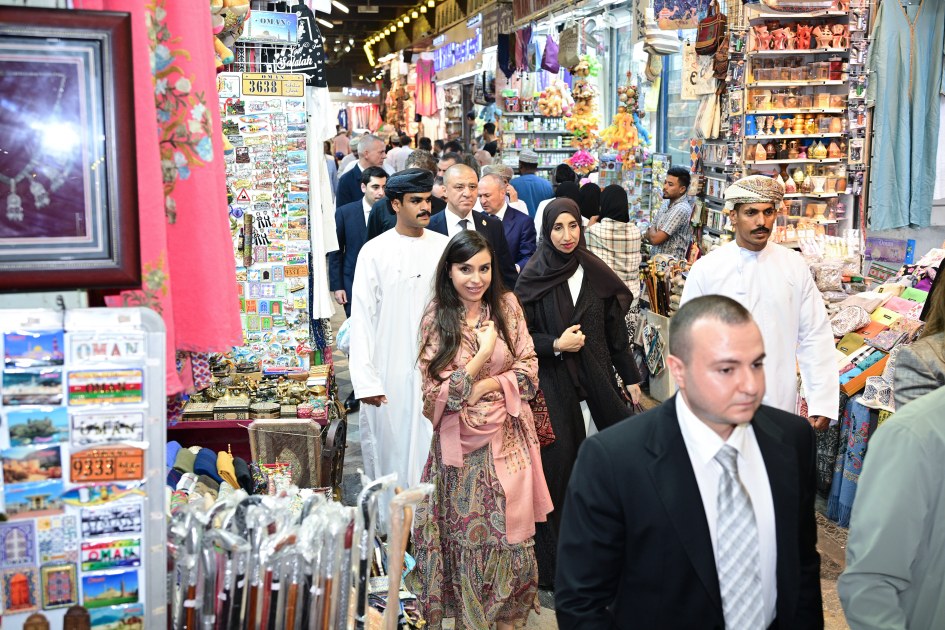
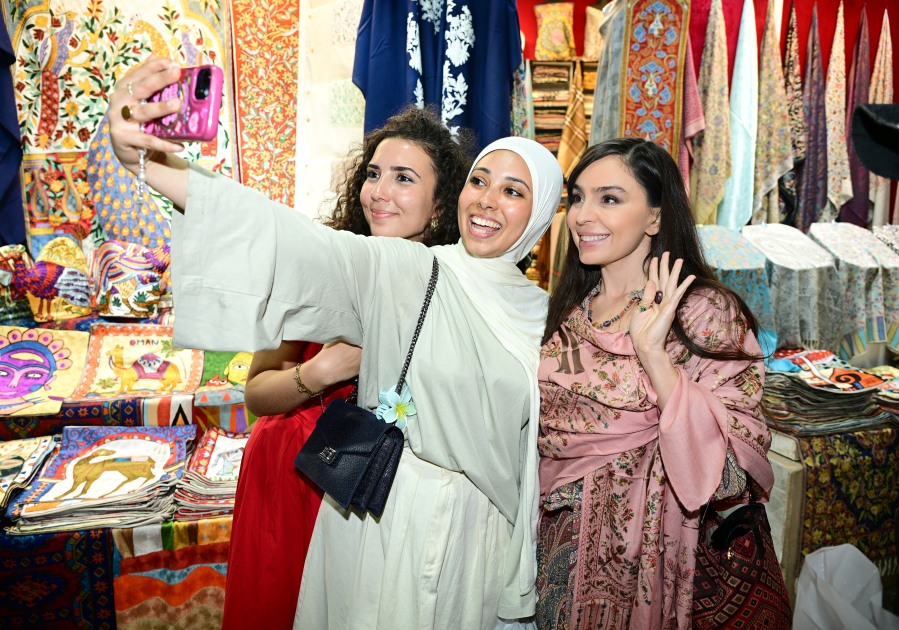
Later, the Vice-President of the Heydar Aliyev Foundation visited Mutrah Souq, where she viewed the items on sale and engaged in cordial conversations with vendors.
It should be noted that Mutrah Souq is one of the oldest and most renowned markets in the Arab world. With a history spanning several centuries, it once served as a major trading hub for goods arriving at the Port of Muscat from India, China, Europe, and the Middle East.
Mutrah Souq is distinguished by its narrow, covered alleys and traditional Arab architecture.
The market offers traditional textiles, clothing, jewelry, souvenirs, spices, incense — including Omani frankincense — perfumes, handicrafts, as well as fruits, vegetables, medicinal herbs, and other local products.